Showing posts with label Counter Culture. Show all posts

Wednesday, August 7, 2024

Movie Review: Kneecap


Michael's Movie Grade: B

A musical biopic that manages to stand out from the countless others. 

This movie has four things that help it stand out from all the musical biopics that are populating movie theaters lately. First is that this is a band who many watching would never have heard of (I certainly haven't). They are an Irish rap band who performed songs in the Irish language as a form of protest in an effort to help keep this langue and therefore the culture alive. Second is that the band is played by themselves. While such an idea may sound like it is doomed to fail, it actually works very well. The band are all surprisingly good actors feeling completely natural in this unfamiliar territory. This also helps give an air of authenticity that is missing in many current musical biopics. Third is that it tries to be more than just a typical musical biopic. This film is also a very intelligent look at Irish culture, while still be completely accessible to audiences from other countries. In fact, non-Irish viewers will probably learn a few things from this film (this blogger from the U.S. did). It also stands firm in its political beliefs and never shies away from being as controversial as the band itself was. While I loved the look at the need to persevere cultures and not let them die, I do admit I found this film's celebration of drug taking and especially drug dealing to be more than a little off-putting. However, that is a part of who the band is so perhaps even if I don't like it, it still adds to the authenticity. Fourth is that this is a very stylish and playful film. This movie is full of a sense of irreverent humor that is truly funny at times and gives the film a unique feel. This film is also very playful in its visual style. I love how it even has fun with the use of subtitles during the song numbers. 

As for the music, I admit that rap music simply isn't my taste. I try to have a wide taste in music, but rap simply doesn't appeal to me. This does not mean I have anything against it though. In fact, this group is immensely talented and even if the music isn't my taste, I still greatly admire their talent and know that not in a million years could I ever do what they do.  

This movie does however become quite predictable and familiar in its third act. As much as the rest of this movie tries to be something very different from your average biopic, as it goes on it simply falls into a lot of the same clichés that persist in most of these films. I also felt that many of the supporting characters could have been much more fleshed out than they were. 

While not perfect, this is a very entertaining film that is simply a lot of fun to watch.   

Tuesday, July 20, 2021

Movie Review: Summertime


Michael's Movie Grade: B

A sincere and heartfelt tribute to Los Angles and young people. 

One of the first things to strike me about this movie was just how much love the filmmakers for the subject matter.  Director, Carlos López Estrada avoids giving us a superficial Hollywood-ized version of young people in L.A. and instead gives us the real deal. Much of this is achieved through letting the young people's voices be the ones we hear throughout the film. They play themselves and recite poetry that they themselves have written. These poems are often the highlight of this film. They are incredibly well written and it is easy to tell the people we hear from here are very talented and intelligent. This poems are also brutally honest about the world these young people are living in and there thoughts and feelings about it. This makes this a rare American movie where we get to hear the voice of young people in a completely unfiltered and Un-Hollywood-ized way, giving us a much more authentic and powerful portrait than so many other films that try to portray the same thing. These young people are all from different walks of life, races, sexualities and lifestyles. Yet a similar message rings through much of what they are saying, that they are human beings with both minds and emotions and that they simply want to have their voices heard. This may seem basic but hearing their voices makes you stop and listen. This movie is also helped by excellent cinematography by John Schmidt, who perfectly brings out the beauty of LA that can too often be overlooked. 

There was a plotline involving two aspiring rappers that honestly felt kind of bland and cheesy. I personally wish the filmmakers could have spent less time on that plot.  There are also quite a few scenes that try to connect all the little stories happening around LA. Unfortunately those scenes can feel quite a bit corny and cheesy and therefore out of place in this mostly honest film. However the sheer power of the scenes that work overcome the scenes that don't.

-Michael J. Ruhland 

Sunday, July 4, 2021

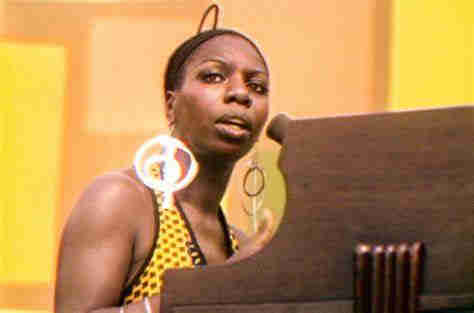
Movie Review: Summer of Soul (...Or, When the Revolution Could Not Be Televised)


Michael's Movie Grade: A+ An incredible concert movie and one of the best documentaries in recent years. In 1969, the same summer that Woodstock happened another less documented but no less important music festival accorded. This was The Harlem Culture Festival. This festival featured some of the greatest black musicians in America. This concert was just as much a celebration of black culture as it was an incredible array of great music. The importance of a celebration like this in 1969 in the midst of the civil rights movement can not be understated. When Gladys Knight is interviewed she states that the importance of the night goes far beyond just the music and as we watch this film it is hard not to agree. Like the concert itself this film is just as much about the place, time and culture as the While a concert movie can never fully capture being there in person, this film comes as close as a movie like this can. Watching the performances and the audience, you can feel the excitement and get caught up in it. Adding to this is great interviews with not only the artists but also the people attending the festival, people arranging the festival and some of the security (the security was provided by the Black Panthers). Because of this we see the concert from all sides and the movie becomes all the more immersive. Director Questlove (in his feature length directorial debut) appropriately leaves out any narration leaving the history to be told mostly by those who were there. The most obvious praise to give this movie is that the music is fantastic. Featured here is B.B. King, Nina Simone, Mahalia Jackson, Gladys Knight, The Staple Sisters and so much more. All of them are at the top of their game and this is American music at its best. My only complaint is that I would have liked even more music here. This film is a must watch for all fans of music and/or movies. This is both documentary filmmaking and American music at its finest. -Michael J. Ruhland

Wednesday, July 29, 2020

Summer Concert Series: Gimme Shelter (1970)


This landmark documentary is still incredibly powerful and shocking today. This isn't just a movie about a rock band, but about a tragedy and the change in culture that created it. 

As many know the 1960's is often considered a time of idealism but thoughts of peace and love sadly couldn't last forever. This falling out of ideals is brutally and honestly shown at a rock concert in 1969 that took place at Altamont Speedway that erupted in a hideous display of violence. Though this film is technically about the Rolling Stones, the footage of this concert takes center stage and is what people remember and take away from this film. Anyone who wants a feel good fun rock and roll concert film, had better watch a different movie. The footage of this concert is unpleasant and will leave some with a feeling of discomfort and disillusionment. Yet this movie leaves such a powerful impression that anyone who has seen it can never forget it. Even as one of the most popular rock and roll bands in the world performs their most famous hits, they are unfortunately upstaged and overshadowed by the horror playing out in front of them. Of course the music is excellent but how musically talented the Stones are is not going to be your parting thought. There is little of the peace and love associated with 60's rock and roll, instead their is the violence and unruliness of a painful part of human nature that the hippie dream could not overcome no matter how hard it tried. What hurts all the more is that this is a documentary and what you see in the same is what actually happened as it happened. 

This is not an upbeat movie by any means but it is a thought provoking one that will stay with you long after the film is over. 

-Michael J. Ruhland

Monday, July 27, 2020

Summer Concert Series: Decline of Western Civilization (1981)

Before directing Wayne's World (1992) or The Little Rascals (1994), Penelope Spheeris made her mark upon the film world with this incredible documentary on the punk rock scene in L.A.

What makes this movie so great is that it neither condones nor condemns any of the people shown in it. It instead gives you an honest and unflinching portrait of these individuals, who live so far out of societal norms. We are left to decide for ourselves whether the punk rock scene is a powerful form of protest against society, an advocation of anarchy, or just a bunch of crazy people being crazy. The rowdy and craziness of the clubs is also shown in all its glory or horror (depending on your persuasion) with unflinching honesty. Again Penelope Spheeris shows us this simply as it is and neither endorses or condemns what goes on here, leaving us to decide for ourselves. The footage of the individuals interviewed is raw and unpolished, but emotional powerful, just like the music being presented here. It should be noted that what is shown here is not the later more mainstream punk rock but a much rawer and rough edged style of punk rock. The filmmaking here purposely keeps much of that rough edged style of the music.

In my personal subjective-ness I enjoyed some of the music, while some of it I can't get into. The appeal of bands like Germs or Catholic Discipline is completely lost on me. Yet at the same time I really enjoyed the music of X and Alice Bag Band that I heard here. Of course some of you may like the music I didn't and dislike the music I liked and that is okay. This is not mainstream music and it is not meant to appeal to everyone.

This is a fascinating film to watch today, decades after it was made. We get to see how in some ways things have changed but the basic angst and attitude of so many shown here, show how in reality a lot is still the same today.

Whether you are a punk rock fan or not, this is such a well made and impactful film, that it is still a must see for all movie buffs.

-Michael J. Ruhland

Friday, July 3, 2020

Summer Concert Series: Don't Look Back (1967)

Few films have changed documentary film-making more than Don't Look Back. There was absolutely nothing like this movie before.This was not a rock and roll musical like the Elvis films or The Beatles' A Hard Day's Night. Nor was this a straight forward documentary. Nor was this a concert film. This was something completely new and startling. Something nobody excepted but that inspired many generations of filmmakers yet to come. Others have tried to recapture the magic of this movie but no one has ever succeeded. Even today this film feels just as fresh as it must have in 1967.


 Director D.A. Pennebaker was a one of a kind filmmaker and in many ways this is his masterpiece. This film had none of the polish that one would see in a Hollywood film. This is often a rather cheaply shot and looks it. However this is what makes the movie so powerful. It makes it feel more intimate and real. Any Hollywood polish would only have the effect of diluting the intimacy and rawness of this this movie. This film is not great in spite of it lacking this Hollywood polish, but rather because of this and this would be one of its largest influences on future documentary filmmakers who would make similarly raw and unpolished films.

This is a very intimate film that shows Bob Dylan in a completely honest light. It never holds back on some of the more off-putting parts of Bob's personalty at the time. When given interviews he is cold and distant to the people asking him questions refusing to give one of them a straight answer. This is a well known facet about Dylan, that he never truly lets anyone into his confidence outside of his music. He never cares to discuss any deeper meanings to his songs, instead wanting the music to speak for itself. Still I do feel sorry for some of the poor reporters who simply are trying to do their jobs. Despite this much of his kidding of these reporters is actually very witty and funny. At times one has a feeling that much of this kidding wasn't meant to be malicious but rather Bob just trying to have a little fun with what had become monotonous to him. Still Bob's basically berating of a Times magazine reporter does take on a surprisingly vicious tone and is more than a little difficult to watch because though I often agree with much of what Bob is saying, I also feel very sorry for the poor man and know that I would truly hate to be in his place. However I am grateful that this documentary does not simply supply us with an idolized or Hollywood-like version of Dylan.

My favorite scenes feature a very different intimacy with Bob and these are the moments he spends either in his hotel room or car with his friends. I especially love the moments they spend sharing songs with one another. I love that he spends time in his hotel room simply playing and sharing songs with his friends. His brief covers of Hank Williams songs are a special delight for me being a fan of both singers' music. I was surprised when I first saw this film at how perfectly Bob's voice fits these classic songs. I also love Donovan and Bob's little song contest (Donovan with To Sing For You and Bob with It's All Over Now Baby Blue). I also love the little joking conversations the group has ("give the anarchist a cigarette") and their reactions to various news stories about them. These moments give you a look at Bob Dylan that can not be seen anywhere but this film, making this incredibly valuable to my fellow Dylan fans.

Joan Beaz almost has a too brief presence in this film. Yet she delights completely with her lovely singing and natural charm in front of the camera.
 

Don't Look Back is about Bob Dylan's last tour as an acoustic singer (in 1965). However the film opens up with one of Bob's first real rock and roll songs, Subterranean Homesick Blues. This opening sequence predates the music video, but certainly looks ahead to it. This is the famous scene in which Bob holds up cue-cards that contain lyrics as well as some jokes (humor has always been an important part of Dylan). Director D.A. Pennebaker shot this scene multiple times in different locations. Listening to this and comparing it to the performances of The Times They Are A Changin' and The Lonesome Death of Hattie Carroll, it becomes all the more obvious why a song like this truly shocked Dylan fans when it first came out. One has to wonder if him considering this new change in musical styles was why he told a Times reporter that he wasn't a folk singer in this film.

This is a must watch for any Dylan fans and for anyone who wants to watch cinema history as it was being made.

-Michael J. Ruhland

Monday, July 15, 2019

Summer Concert Series: Festival (1967)

A very thought provoking folk music documentary with great music. This film shows footage of the 1963 and 1966 Newport Folk Festival.

If you have a similar taste in music to me, you will know as soon as you see the opening credits that this movie is going to be a pure musical treat. Performers in this film include Bob Dylan, Joan Baez, Johnny Cash, Peter Paul and Mary, Buffy Sainte Marie, Michael Bloomfield,  Mississippi John Hurt and Paul Butterfield. If I had one complaint about the music it would be that we only see and hear Johnny Cash perform a brief snippet of I Walk the Line and other than that he is largely absent from the film. However there is no other complaint about the music in this film, it is near perfect as music can be. One of the highlights of the film is Bob Dylan's incredible performance of Mr. Tambourine Man. Though many with more traditionally great voices than Bob Dylan have performed this song no one sings it quite like Bob. This is a mysterious and magically unexplainable song and Bob's rough voice just heightens this quality perfectly. We also are treated to one of Bob Dylan's earliest pure rock and roll performances. At a festival that was all about folk music, Bob performers the radical Maggie's Farm. This is not only a rock and roll song but a proud and defiant announcement that Dylan was leaving the folk scene for rock and roll. The performance of this song is pretty darn hard rocking for its time and one can only imagine how the audience at this festival felt hearing this from some one who was know as one of the top folk singers of his day. Though this performance has found its way onto various rock and roll documentaries, it is still incredible every time I see it. Though Bob had abounded political protest songs at this time and all of his performances here have no political overtones at all, Peter, Paul and Mary perform some of Bob's past protest songs including The Times They Are A Changing and Blowing in the Wind. Peter, Paul and Mary seem to be favorites of director Murray Lerner, as we get a lot of songs from them. Luckily they sound extremely good here. Joan Baez is certainly also in top form here as her voice has never sounded better and her song choices are perfect. Paul Butterfield and Mississippi John Hurt show us what the blues are all about in their magnificent performances, while Michael Bloomfield gives us a new style of white blues-rock. All this shows that the blues can never be defined or understood they are just a part of the people who play the music.

This movie also brings up some very thought-provoking moments. It discusses how while folk music is a genre of music for and by the people, how the iconography of Bob Dylan and Joan Baez contradicts that. This movie discusses whether this iconography is good or bad from various positions. There are some audience members, who feel that the worship of them takes away from the relatability and realness of their music. Despite that many other audience members go insane when Bob takes the stage and hound Joan for her autograph. It is interesting to the contrasting ways the two deal with this bigger than life status. Joan finds it sweet and healthy (although she feels a bath wouldn't hurt some of those kids), and she jokes while signing autographs that the only affect this has on her is "a bloated ego." Bob on the other hand is obviously uncomfortable with this. He rushes to his car and hides from the people. I get the feeling this isn't out of rudeness, but rather that the situation and the crowds make him so uncomfortable that like a scared little child he rushes to safety. Then again I have social anxiety so maybe I am imparting who I am on to who Bob Dylan is. Another thought provoking part of the movie comes from Son House discussing the blues and how he feels this new rocking electric type blues goes against what the music is all about. Masterful editing (editors on this film include Alan Heim, Michael Marantz and Gordon Quinn) and great direction intercut this with blues-rock musician Michael Bloomfield talking about his type of blues music to create an intelligent and thought provoking debate between two great musicians. This movie also calls into question the counter-culture movement and whether these college kids truly understood what they were talking about. Unlike on the previous issues this film seems to give a distinct answer to that question. A middle-age man states that he approves of the young people questioning his generation, because it shows they are thinking. Joan Baez says that she believes the kids know what the singers and songwriters are talking about. Pete Seager has the best comment on this stating that this festival is where "Everyone gathers together to be a non-conformist."

Unfortunately this incredible film did not and still doesn't receive the attention it deserves. One reason sometimes given for this is that the justifiably famous D.A. Pennybaker documentary about Bob Dylan (also featuring Joan Baez) was released a month before this film. Hopefully more people will discover the excellent movie this is and enjoy it as much as I did.

-Michael J. Ruhland

Friday, March 29, 2019

RIP Agnes Varda

Sad news my friends, Agnes Varda has passed away at the age of 90. She was a legendary director in every sense of the word. I am definitely not throwing words around here, Agnes was truly of the all time greats of French Cinema, easily deserving a place among François Truffaut, Jean Luc Goddard and Jean Renoir. Every time I watch one of her films I am left with a sense of awe and wonder as if I was falling in love with movies all over again. Movies like La Pointe Courte (1954), Cleo From 5 to 7 (1961), Vagabond (1985) and Documenteur (1981) are as good as cinema gets.

Agnes has often been called "the mother (or grandmother) of the new wave." This is because she was in many ways a founder of the great French New Wave movement (she was also the only female director in the French New Wave). Her first feature film, La Pointe Courte (1954) can in many ways be called the first movie of the French New Wave predating the popularization of the movement by 5 years. At this time François Truffaut, Jean Luc Godard and Claude Chabrol had yet to make any of their great feature films. This fantastic movie was made by Agnes' own small company, Cin'e-Tamaris. Much of this film's groundbreaking style came from both necessity and unrestricted creative freedom. The use of location shooting and using both professional and unprofessional actors were things unhears of at this time in French cinema and things that would later become staples of The French New Wave.

Despite being a member of the French New Wave she differed heavily from its other major directors. Unlike them she was never a film critic. She instead was a still photographer (This had a huge influence on her filmmaking as can be especially seen in the opening scenes of La Bonheur (1964)). She was also not as well versed in movie history. Agnes would state that before making La Pointe Courte she had seen very few movies and off the top of her head could only think of Citizen Kane (1941).
Despite her being best known as a member of the French New Wave, Agnes also made some fantastic films in California. Some of these were documentaries about what was happening in the US at these time periods. These could differ quite a bit from each other. For instance Black Panthers (1968) was about the civil rights movement (probably her most political film) and Mur-Murs (1980) is about the murals around Los Angles.

Though she made fictional films as well as documentaries she would once say, "Fiction films are beautiful but documentaries put you at peace with the world. You try to make the world understandable, make people come near to you."

Still her most famous film is one of her fictional movies, Cleo From 5 to 7 (1961). The popularity of this movie is justified, it is a brilliant film on all levels. The movie offers two of Agnes' most powerful assets as a filmmaker, the humanity she bestows upon her subjects (rather fictional or non-fictional) and her beautiful way of showing the world around her. This is also one of the few and best examples of a movie done in real time as it shows us an hour and a half of a woman's life leaving nothing out.

The best way to appreciate Agnes Varda's cinema is to watch it yourself. So do yourself a favor and find and watch one of her films you won't regret it.

RIP and thanks for the incredible movies you have given us.

-Michael J. Ruhland